
The Art & Science of Living the Well Lived Life.™
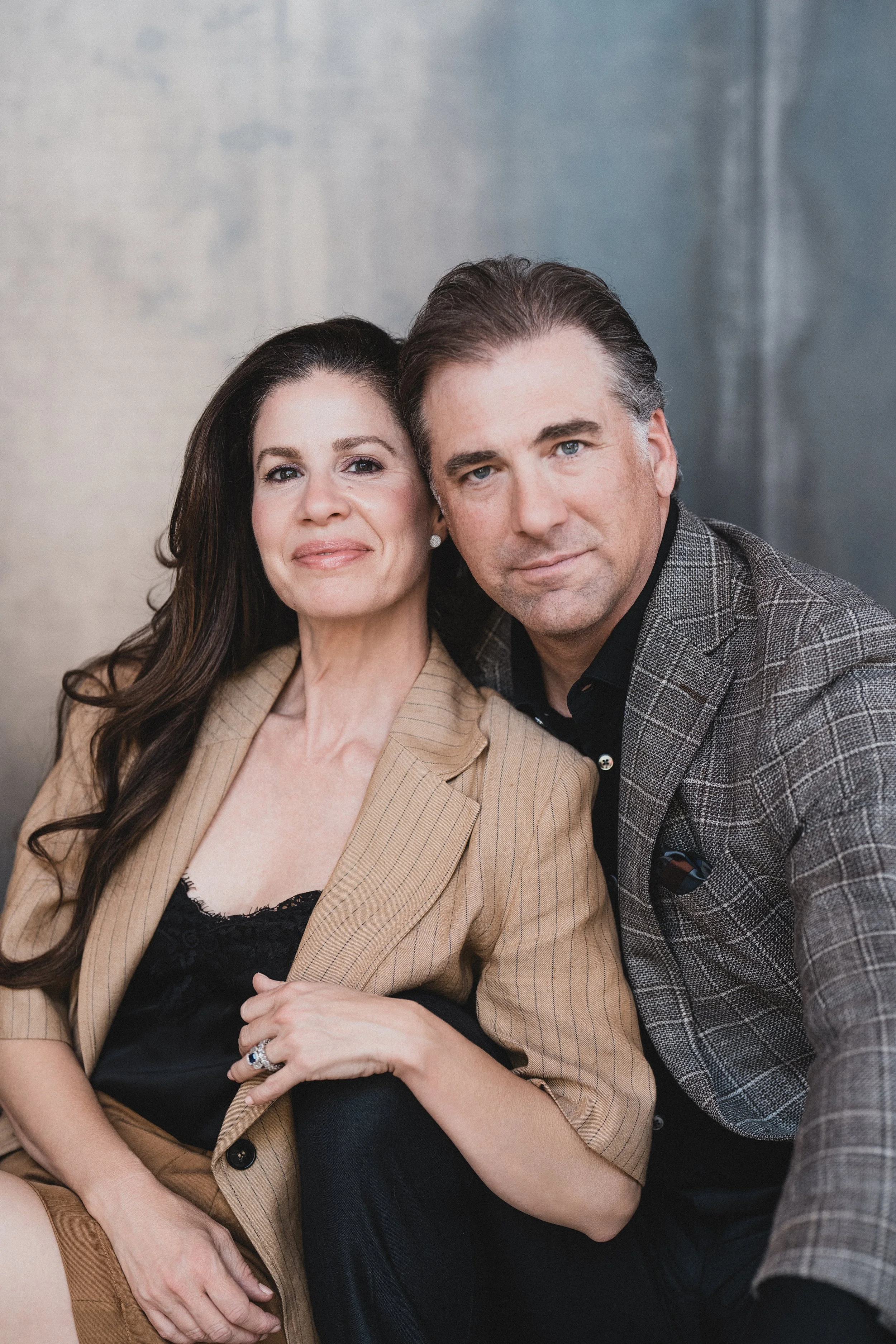
Longevity is not merely the extension of years. It is the elevation of years. It is not a desperate attempt to avoid death, but a disciplined and passionate commitment to becoming more fully alive while we are here.
“The Art and Science of Living the Well Lived Life” is not simply a slogan for our brand. It is a philosophy, a worldview, and a direct rejection of the modern condition of numbness, fragmentation, exhaustion, and passive existence. Most people today are surviving efficiently rather than living intentionally. They wake without purpose, consume without awareness, work without meaning, age without reverence, and eventually reach the end of life having never fully inhabited their own existence.
The Well Lived Life stands in direct opposition to this. It asks more of the individual. It demands presence, vitality, embodiment, responsibility, curiosity, pleasure, strength, depth, connection, and legacy. It is rooted in the belief that human beings were not designed merely to persist biologically, but to experience existence with intensity, beauty, agency, and purpose.
The Philosophy of the Centenarian: Why the Longest Living People on Earth Truly Live
One of the most important observations in longevity science is that the people who live the longest are often not obsessed with longevity itself. The populations identified within the “Blue Zones” — including Okinawa, Sardinia, Ikaria, Nicoya Peninsula, and Loma Linda — consistently demonstrate that extraordinary longevity is deeply connected to purpose, family, movement, community, and meaningful engagement with life.
Centenarians maintain a strong sense of purpose well into advanced age. In Okinawa, this is called ikigai — a reason for being. In Nicoya, it is known as plan de vida — a reason to live. They continue contributing to family and community, remaining mentally, emotionally, and socially engaged. Purpose itself becomes biological medicine, improving resilience, nervous system regulation, and overall vitality.
Family is central to these cultures. Multi-generational living, regular family meals, faith communities, friendships, and daily human connection create powerful protective effects against disease and isolation. Centenarians remain integrated within family structures where they continue offering wisdom, identity, and contribution. Human beings are not designed for loneliness, and these cultures reflect that truth.
Another defining trait is their relationship with pleasure and moderation. Meals are slow and communal. Movement occurs naturally through walking, gardening, cooking, and daily tasks. Their lives maintain a rhythm of sunlight, usefulness, spirituality, conversation, and connection rather than chronic urgency and overstimulation.
Perhaps most importantly, centenarians are not fighting life. They are deeply participating in it. The Well Lived Life recognizes that aging itself is not the enemy. Disconnection, purposelessness, stagnation, and emotional numbness are the true threats to vitality.
This is why The Longevity Protocol believes longevity cannot simply be reduced to lab values and interventions alone. Science matters deeply, but the people who consistently live the longest also embody philosophy as medicine. They possess purpose, family, resilience, movement, spirituality, pleasure, and meaning. In many ways, centenarians teach us that the secret to longevity is not merely living longer, but remaining fully engaged with life itself.
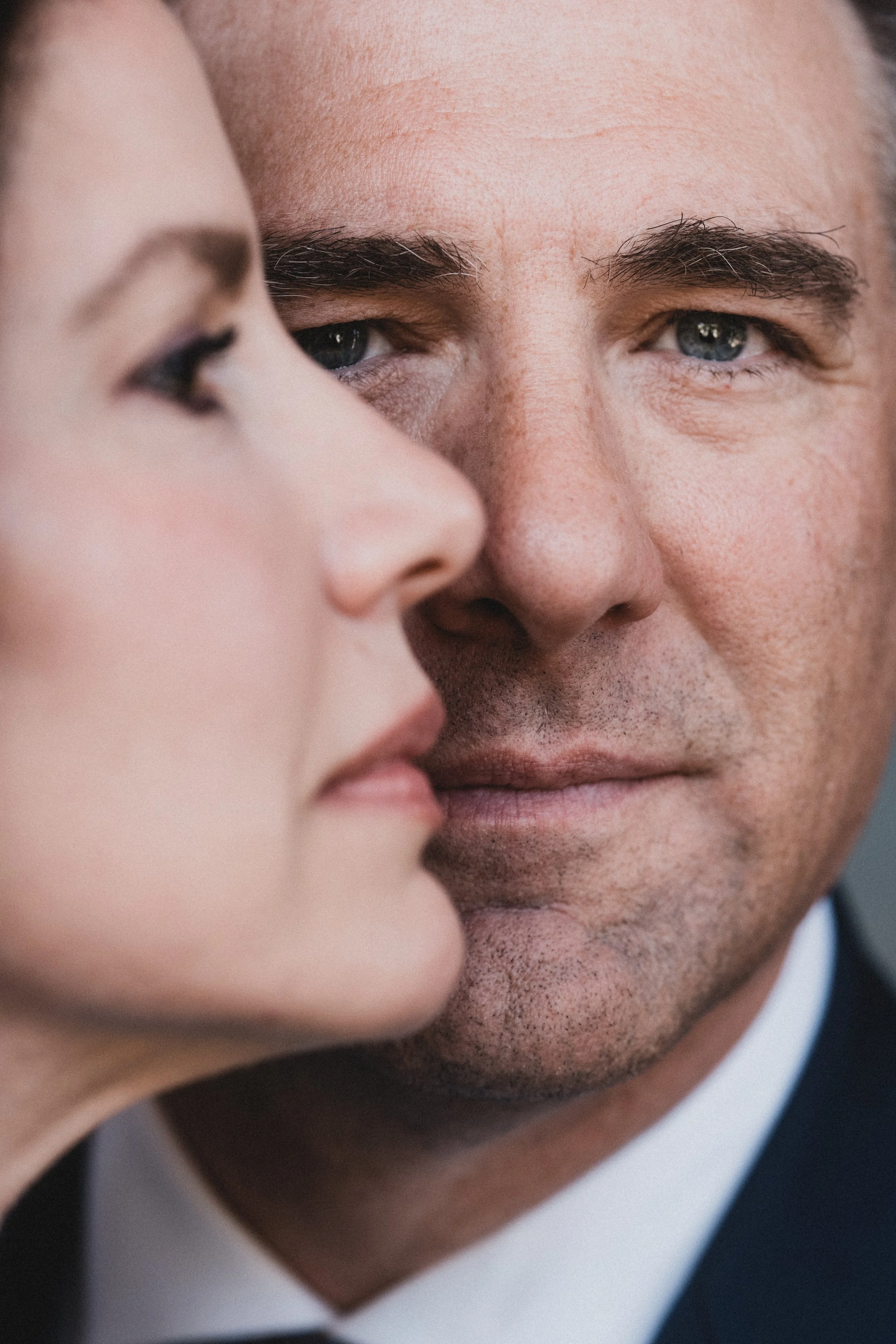
Longevity Is Not About Avoiding Death
Modern longevity culture often becomes sterile, obsessive, and fearful. It can devolve into spreadsheets, supplements, biomarkers, and neurotic optimization that becomes disconnected from the actual experience of living. There is a profound paradox in modern health culture: a person can become obsessed with extending life while simultaneously forgetting how to live it.
At The Longevity Protocol, we reject that reductionist approach. Biomarkers matter deeply. Hormones matter. Mitochondria matter. Sleep, inflammation, cardiovascular health, VO2 max, muscle mass, cognition, metabolic flexibility, gut health, and recovery all matter profoundly. Science matters because it gives us the tools to preserve and elevate human capacity. However, science alone cannot teach a person how to live. A perfect CAC score means very little if someone has lost wonder. An optimized hormone panel means little if someone has become emotionally disconnected from their spouse, children, faith, mission, or purpose. A longer lifespan without aliveness becomes an empty mathematical victory.
Longevity, therefore, must become both an art and a science. The science gives us capacity, while the art gives us meaning. The science extends vitality, while the art teaches us what vitality is for.
“Sucking the Marrow Out of Life”
The Well Lived Life embraces the ancient idea that existence is meant to be entered fully, not cautiously observed from behind glass. Human beings are not meant to drift numbly through life anesthetized by distraction, overstimulation, convenience, or comfort. To “suck the marrow out of life” means refusing superficial existence. It means cultivating the ability to feel deeply, love deeply, create deeply, and participate deeply in the human experience.
This philosophy recognizes something modern culture often forgets: pleasure is not the enemy of health. Mindless indulgence is the enemy. True pleasure—earned pleasure, embodied pleasure, conscious pleasure—is one of the highest expressions of vitality. A long dinner with family, the warmth of sunlight on the skin, movement that makes the body feel powerful, intimacy infused with connection, a glass of wine shared intentionally, adventure, risk, laughter, music, meaningful work, touch, spirituality, beauty, and the feeling of earning exhaustion through purposeful effort are not distractions from longevity. They are central to it.
Human beings are not machines. We are biological, emotional, relational, energetic, and spiritual creatures. Health cannot be reduced to chemistry alone. The body keeps score of joy just as surely as it keeps score of stress.
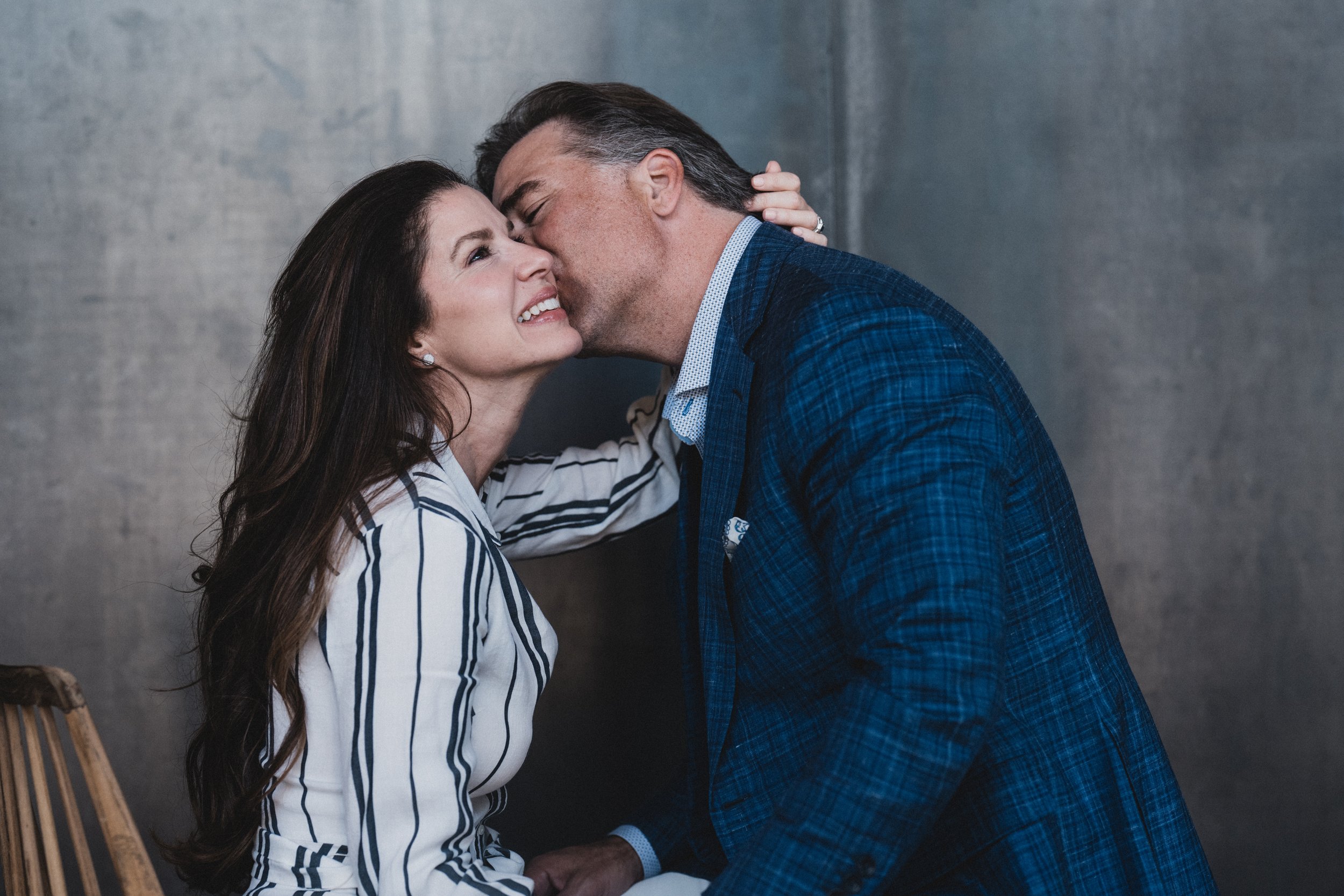
The Body as an Instrument of Experience
The human body is viewed differently than it is in conventional medicine. Most modern healthcare systems treat the body primarily as a machine to repair once broken. We view the body as an instrument through which life itself is experienced. The purpose of optimizing hormones, mitochondrial function, cardiovascular health, cognition, aesthetics, sexuality, recovery, and movement is not vanity alone, nor is it merely disease prevention. The purpose is to increase one’s capacity for life itself.
A healthy body allows a person to wake with energy, think clearly, feel desire, move powerfully, remain adventurous, preserve confidence, maintain curiosity, and stay engaged with the world instead of retreating from it. In this framework, a healthy body is not the final goal. It is the vehicle through which meaning is expressed. This changes everything about how medicine is practiced. Medicine becomes proactive rather than reactive, deeply personal rather than algorithmic, and transformational rather than transactional.
The Integration of Masculine and Feminine Energies
The Well Lived Life also recognizes that true longevity requires polarity, balance, and identity. Modern culture frequently disconnects men and women from their essential nature. Men often become detached from strength, leadership, discipline, purpose, and grounded masculinity. Women are often disconnected from intuition, sensuality, receptivity, softness, emotional embodiment, and radiant vitality. The result is not merely emotional dysfunction, but hormonal dysfunction, relational dysfunction, and societal dysfunction.
At The Longevity Protocol, optimization is not simply hormone replacement. It is restoration of alignment. A thriving man should feel purposeful, driven, capable, protective, disciplined, and fully alive. A thriving woman should feel radiant, emotionally connected, powerful, sensual, and deeply embodied in her femininity. Longevity is relational because the nervous system heals in connection. Hormones respond to intimacy. Purpose expands through family and contribution. Health compounds through community, love, and belonging. Living the Well Lived Life cannot occur in isolation because human beings are fundamentally designed for connection.
The Philosophical Difference Between Existing and Living
Most people unconsciously trade aliveness for safety. Over time they become predictable, emotionally guarded, physically stagnant, spiritually asleep, and disconnected from challenge. However, vitality requires friction. Muscle grows through resistance. Character grows through adversity. Wisdom grows through suffering integrated with meaning. Confidence grows through earned competence.
The Well Lived Life therefore embraces calculated hardship. Strength training, cold plunges, entrepreneurship, adventure, learning, spiritual practice, difficult conversations, parenthood, leadership, disciplined routines, and even love itself all require engagement with uncertainty and discomfort. This philosophy does not worship suffering, but it recognizes that growth demands participation. A life that becomes overprotected inevitably becomes underlived.
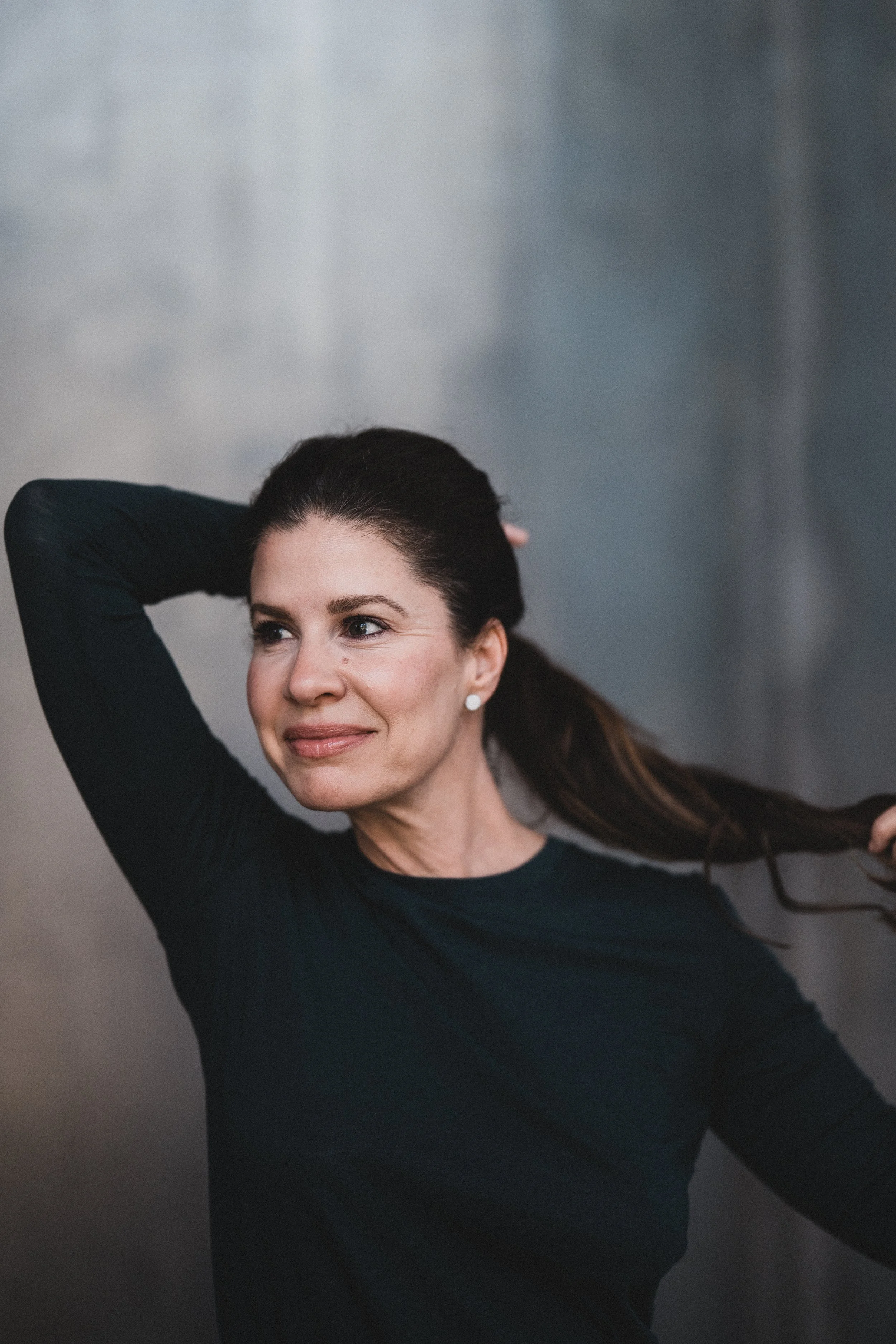
Beauty, Aesthetics, and the Human Spirit
The Longevity Protocol also recognizes that aesthetics matter. This is not rooted in narcissism, but in the understanding that beauty is deeply connected to vitality, confidence, sexuality, psychological wellbeing, and self-respect. To feel attractive, desired, vibrant, energetic, and alive within one’s own skin is a profoundly human desire.
Regenerative aesthetics, hormone optimization, body composition, fitness, skin health, and sexual wellness are therefore not superficial pursuits when approached correctly. They are expressions of self-respect and embodied vitality. The Well Lived Life does not apologize for wanting to feel attractive, energetic, sexual, and alive. It embraces these qualities as natural aspects of the human experience rather than denying them out of guilt or cultural conditioning.
Legacy: The Final Expression of Longevity
Ultimately, the Well Lived Life culminates in legacy. This legacy is not merely financial. It is human. The deeper questions become: How did you make people feel? What did you build? Who became stronger because of your presence? What values did you embody consistently? Did your children inherit fear or courage? Did your spouse feel deeply loved? Did your work matter? Did your existence elevate others?
Longevity without contribution eventually becomes self-absorption. The Well Lived Life seeks transcendence through impact. The goal is not simply to add years to life. The goal is to add life to years, and depth to life itself.
The Longevity Protocol™ Podcast —Leadership, Science, and Legacy
The Longevity Protocol™ Podcast serves as a curated dialogue for leaders who refuse to separate success from health.
Through high-level conversations with physicians, scientists, innovators, and thinkers, Dr. Robinson and Dr. Bosch explore:
Cutting-edge aging science translated for strategic minds
The biology of peak leadership and decision-making
How entrepreneurs can optimize performance without sacrificing longevity
The intersection of family, wealth, and healthspan
What it means to age with dignity, intention, and authority
This is not a wellness show.
It is a conversation about how to build, sustain, and steward a life of impact.
The Philosophy of The Longevity Protocol
At its core, The Longevity Protocol believes that health is not merely the absence of disease, vitality is not merely youthfulness, and longevity is not merely survival. True longevity is the cultivation of a fully embodied human existence. It is science in service of aliveness. It is medicine with soul. It is disciplined optimization fused with passion, meaning, beauty, pleasure, strength, family, spirituality, and purpose.
Ultimately, The Longevity Protocol exists to help individuals become more alive with every passing decade. The highest form of health is not simply functioning longer, but learning how to fully inhabit life itself.